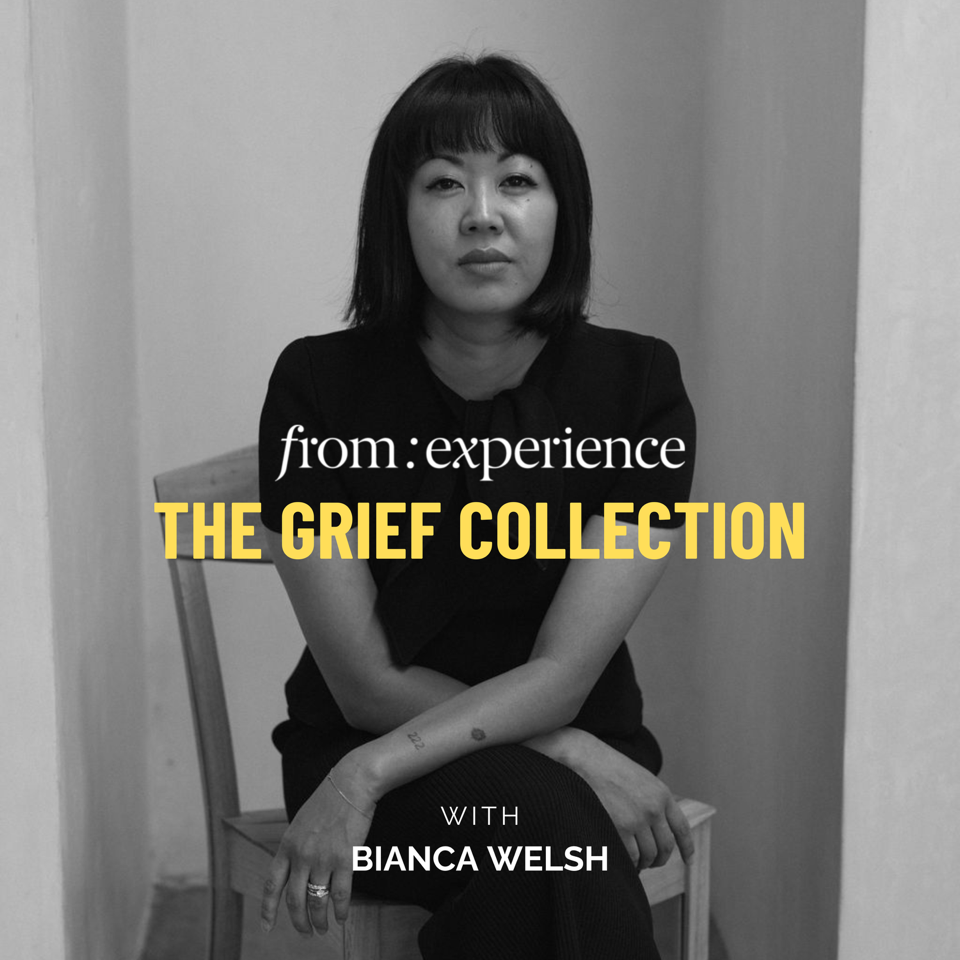
The Grief Collection
with Bianca Welsh
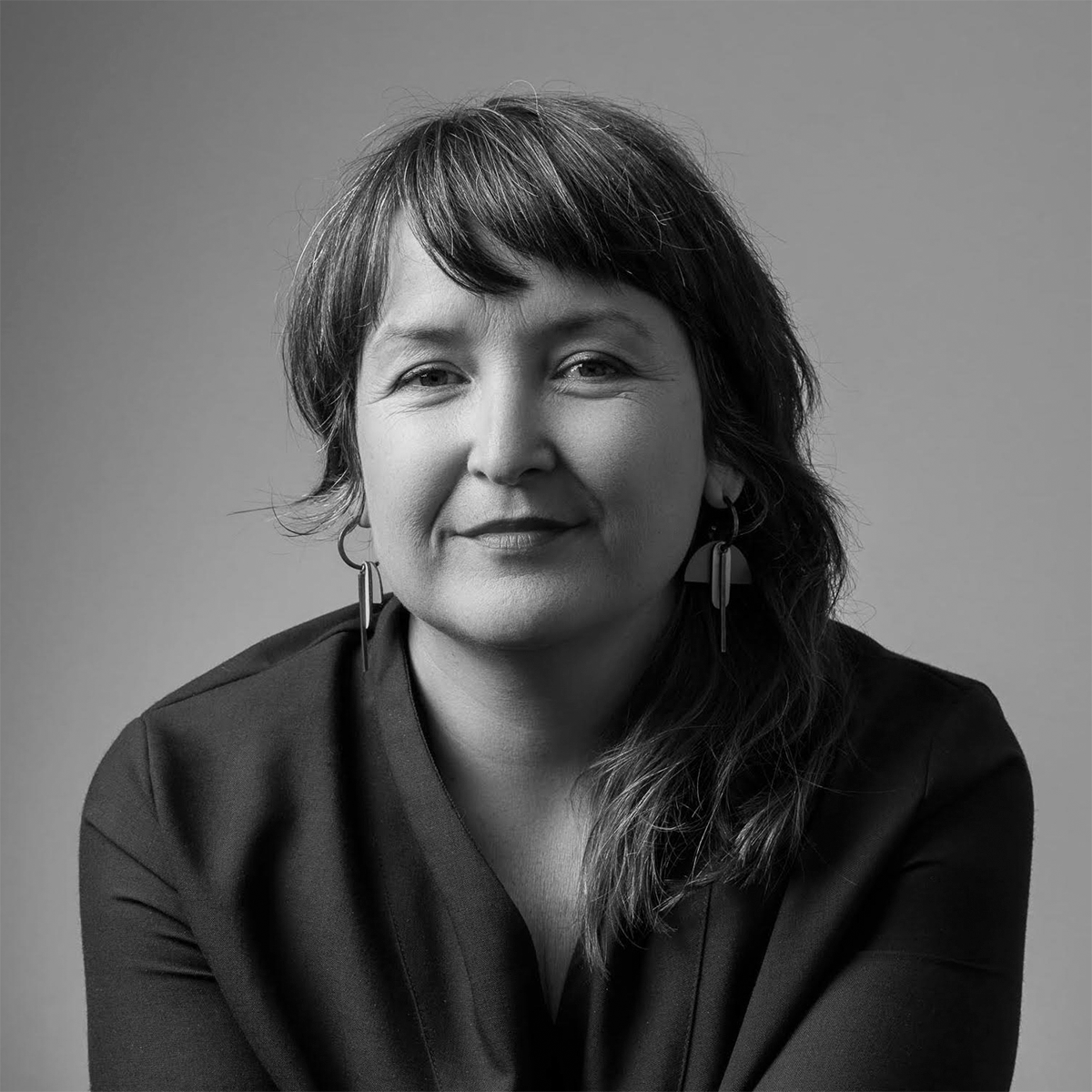
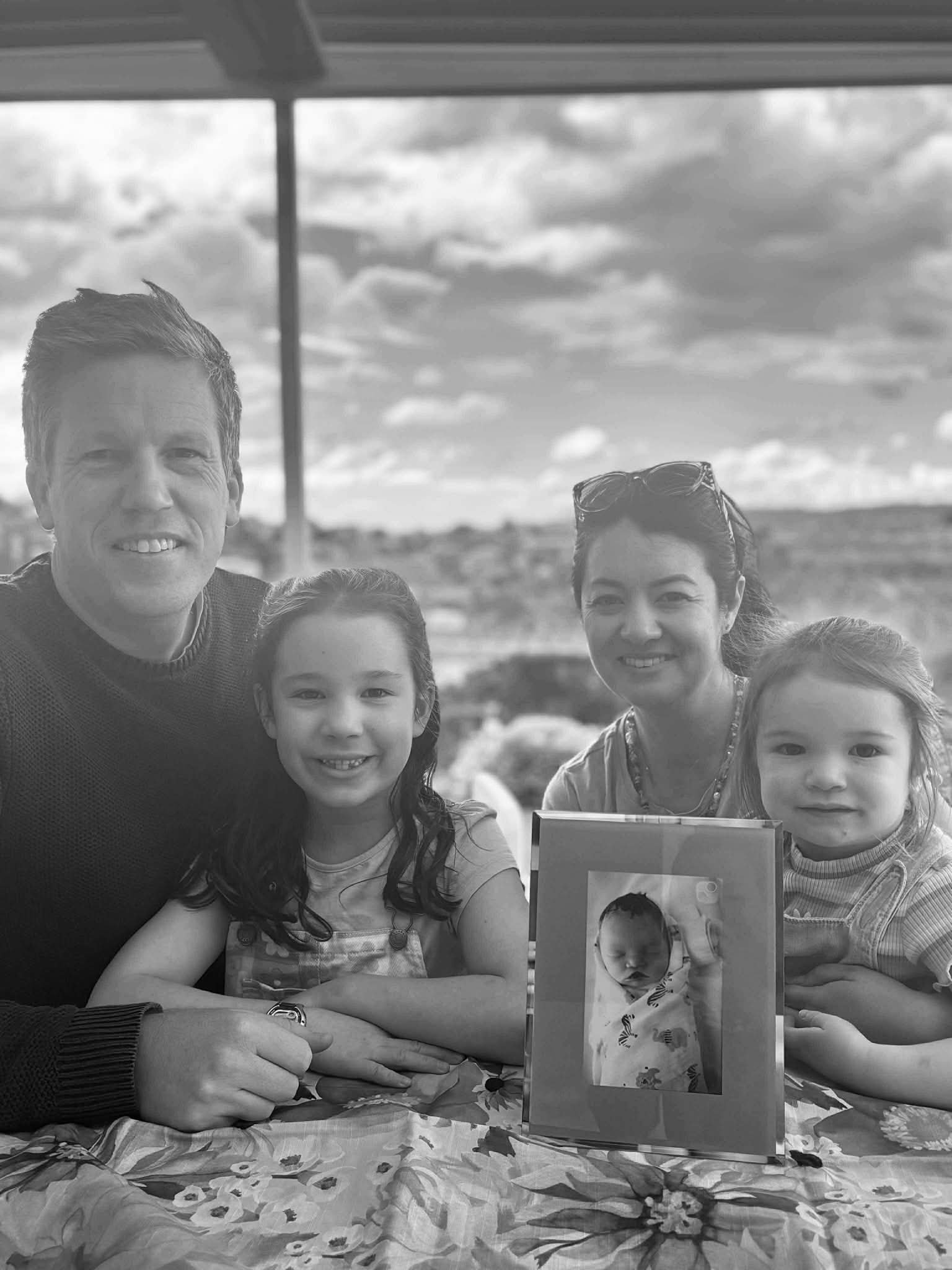
Grief is the one guarantee in life, we will all experience a great loss at some point in our lives, yet we’re so unprepared for it, we rarely talk about it and often shy away from these uncomfortable conversations. After experiencing her own grief and loss when Bianca and her husband James lost their baby boy, Herbert, at full term in January 2022, the subsequent journey felt overwhelming, lonely and fraught with societal expectations. In Bianca’s podcast she hopes to bring stories of hope and experience from everyday people, but honing in on the things that did or didn’t work during an individual’s experience of the worst time of their lives. Healing from grief, loss and trauma can be a very individual journey, with no linear trajectory and no guide book. Bianca hopes people might be inspired or motivated by ideas or different ways to navigate life after loss.
Listen via Spotify, Apple Podcasts or YouTube.
Episodes
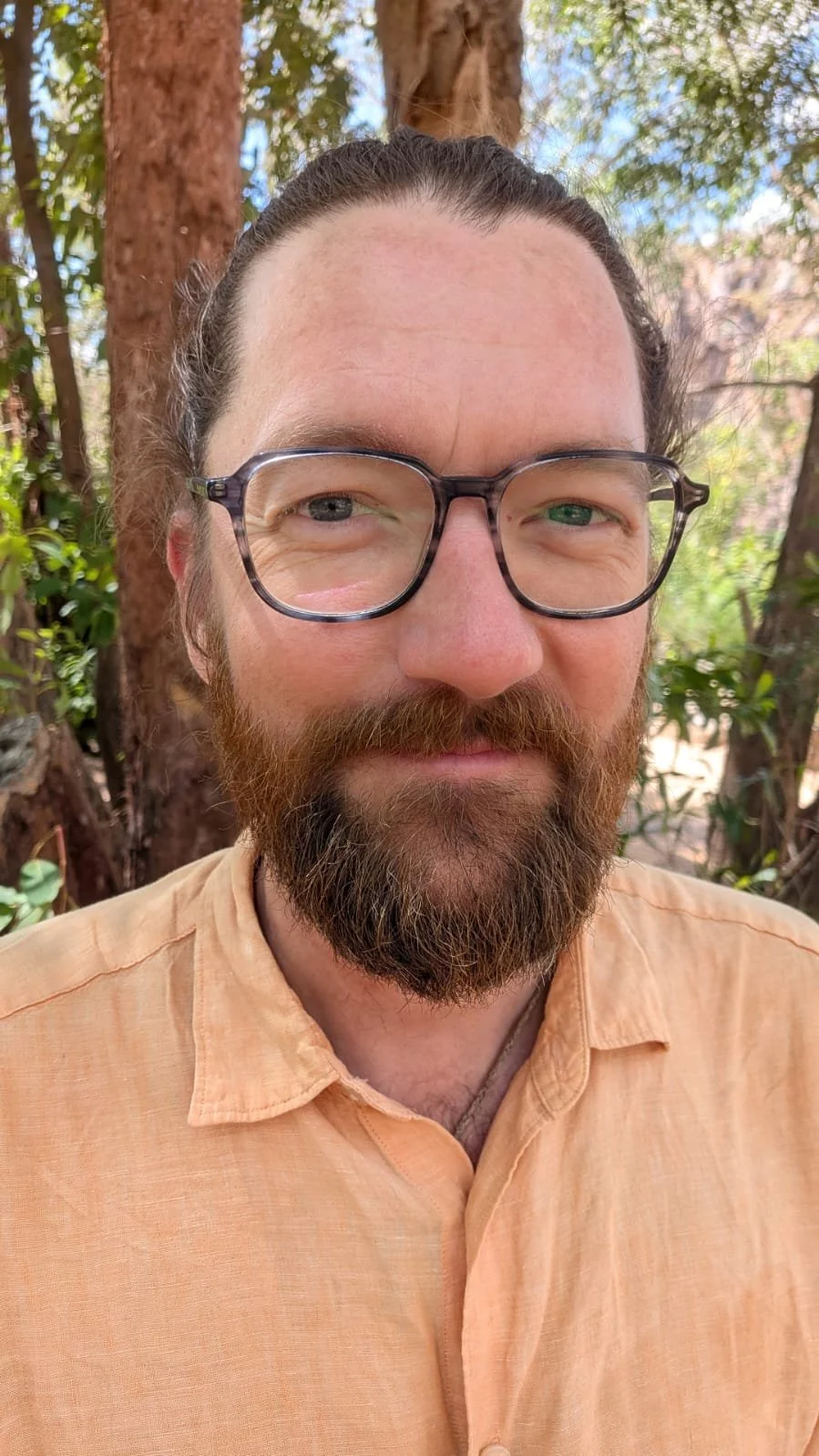
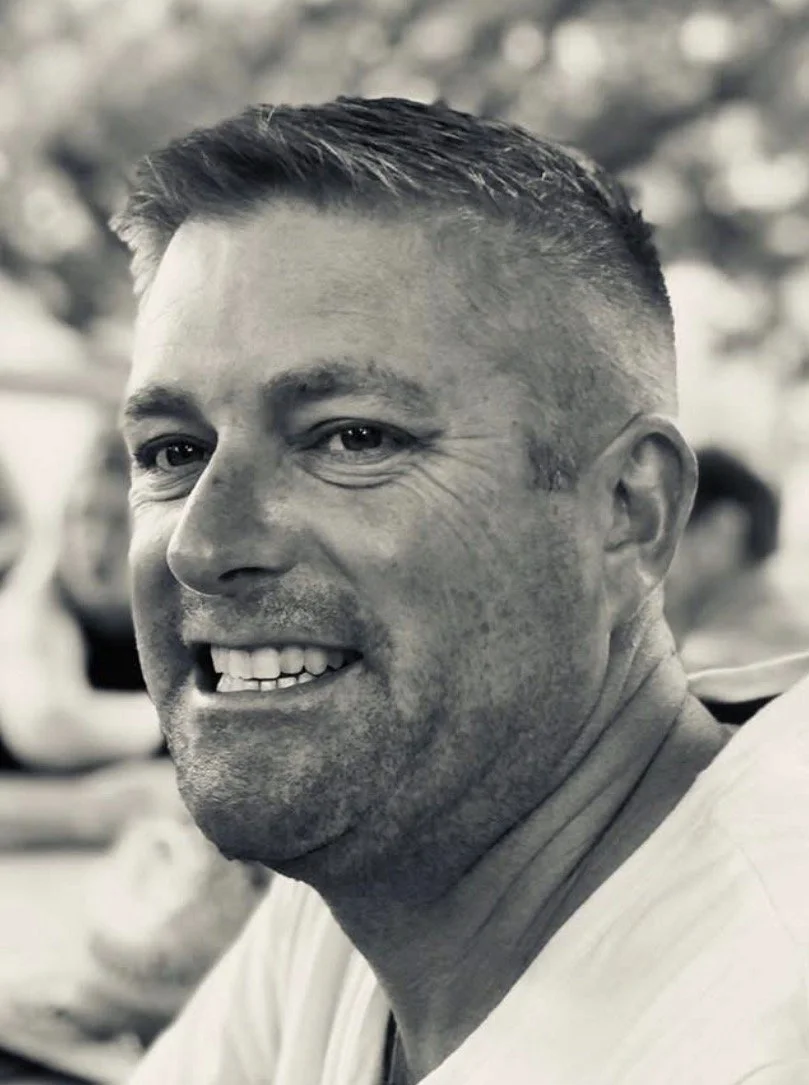
In this episode of From Experience: The Grief Collection, Bianca sits down with Brock Kerslake — primary school teacher, dad, husband, and former owner of the beloved Launceston walking tour business Taste Walk Talk — to talk about a loss that shaped his entire childhood.
Brock's older half-sister, Britt, died in 1985 at just 12 years old, after being hit by a car near her mum's home in Launceston. Brock was six. In this deeply moving conversation, he shares what it was like to grow up as the sibling of a child who died — the confusion of being a kid processing something enormous, the different ways his parents grieved, and how his family has kept Britt's memory alive for 40 years through cemetery visits, a school award in her name, and even a tattoo.
Brock also reflects on becoming a teacher at the very school Britt attended, what it's like talking to a new class of grade sixers about her every year, and the advice he'd give his six-year-old self.
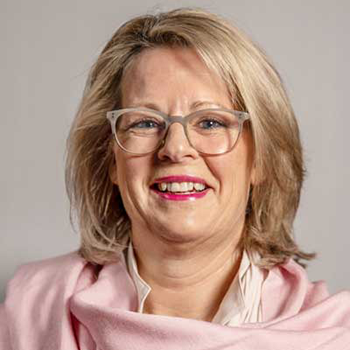
Bianca is then joined by Caroline Thain, occupational therapist and clinical leader in youth mental health, to unpack the episode — covering how we learn to grieve from our families, the gendered stereotypes around men and crying, supporting adolescents through grief, and why anniversaries can catch us off guard no matter how much time has passed.
Content note: This episode discusses the death of a child. Please take care while listening, and come back to it another time if needed.
Bianca sits down with Diana Butler OAM — Tasmanian humanitarian, nurse, and founder of Care for Africa — to talk about losing her first son, Tom, as a newborn 40 years ago, and grieving in an era with no language or support for baby loss. Diana traces the line from that loss to founding Care for Africa, and to the moment she found her purpose standing before a Tanzanian community she describes as the reason she was put on this earth.
The conversation closes with Caroline Thain, occupational therapist and trauma-informed clinical leader, joining Bianca to unpack how grief resurfaces across a lifetime, why "toxic positivity" can do more harm than good, and how to support someone who isn't ready to talk.
In this poignant episode, host Bianca Welsh converses with Indira Naidoo, celebrated Australian broadcaster and author, about her journey through grief following the suicide of her sister. Bianca and Indira explore the intersection of grief, healing, and nature, discussing the therapeutic impact of gardening, the significance of journaling, and the importance of finding stillness. Indira's personal narrative provides profound insights into coping with loss and the enduring strength of familial connections.
The episode also features Dr. Mai Frandsen, who delves into the psychological aspects of grief, the role of journaling, and the critical need for balance between processing emotions and daily obligations.
In this episode host Bianca Welsh interviews her friend Dr. Pippa Dickson about the loss of her beloved dog, Art. They discuss how pet grief is often minimized, the deep connections pets can have in our lives, and the challenging emotions they experienced. Pippa shares personal stories and insights on coping mechanisms, such as finding symbolism in Greek mythology and seeking community support online. The episode also touches upon broader themes of grief, identity, and cultural treatment of emotions, with reflections from Dr. Mai Frandsen, a psychologist specializing in health behavior change. This episode highlights the importance of validating all forms of grief and finding ways to navigate through the journey of loss.
Emily shares her poignant journey through grief following the stillbirth of her son, Jack at full term, while she was on maternity leave from work. Bianca and Emily discuss the process of healing, and her ongoing quest to navigate life after loss. They also explore the coping mechanisms, both adaptive and maladaptive, that Emily has employed and offers insights into what has and hasn’t worked in her healing journey.
Excerpt goes here.In this beautiful episode host Bianca Welsh speaks with Melody West about her profound experiences and reflections on the deaths of her parents. Having lost both of them to cancer, her Dad in her 20’s and her Mum in her 40’s, her experience of anticipatory grief, and how each loss altered her life and perspective over time will resonate with many who have to watch loved ones lose their battles with various cancers.
Grief isn't just through death - it can be through the loss of something, perhaps that something is the loss of ourselves through the experience of trauma, or perhaps the safety of the world we thought we knew...
In this episode host Bianca Welsh speaks with Tom Moir, a Detective Senior Constable with Tasmania Police, having joined in 2014 at the age of 19. He investigates some of Northern Tasmania's most serious drug and firearm offenders. In 2020, Tom was diagnosed with complex PTSD, severe depression and anxiety, largely as a result of repeat exposure to a range of traumatic incidences, the toll of which nearly claimed his life.
Complementing this conversation, Dr. Mai Fransden provides a psychological perspective on trauma, grief, and various therapeutic methods.Excerpt goes here.
Continuing on from Part 1, Bianca and James discuss the importance of understanding, connection, and finding one's purpose in the aftermath of grief. Reflecting on the different coping strategies they used, the episode provides insights into how individuals and couples can support each other through the complex journey of grief. The conversation is enriched by the expertise of Dr. Mai Fransden, who offers psychological perspectives on coping and healing.
In this emotional and heartfelt premiere episode of From Experience: The Grief Collection, host Bianca Welsh shares her deeply personal story of facing grief and loss with her husband James.
In this conversation, Peter talks candidly about what it's like to sit with people who are dying — and their families — and why he believes our culture is so bad at talking about death. We talk about the gap between where people say they want to die and where they actually do, the reality of what caring for someone at home really involves, and why hospice care — done well — can be one of the kindest environments there is. Peter reflects on the language he's had to build for this work: choosing "distress" over "agitation," "calming" over "sedating," and death over the euphemisms so many of us reach for instead. He also opens up about his own relationship to mortality, the toll — and the strange gift — of witnessing death so often, and what he wishes everyone understood before they ever need this kind of care.
This is a raw, generous conversation about presence, language, and what it really means to be person-centred when someone is dying.
Psychologist Emma Keen joins Bianca to unpack the biggest takeaways from the conversation.